Space
We summarize the week's scientific breakthroughs every Thursday.
- Plants
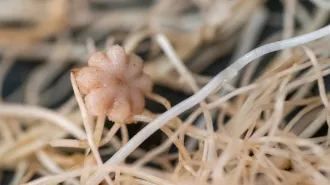
Chickpeas can grow in moon dirt and make seeds
Chickpeas produced seeds in simulated lunar soil, offering clues for future space farming.
- Planetary Science
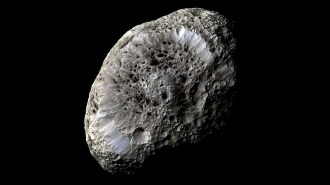
A Titan collision may link Saturn’s tilt, its moon Hyperion and its rings
A new study proposes that a crash between Titan and another moon spawned Hyperion and, much later, destabilized Saturn’s inner moons into rings.
- Planetary Science
A chemical ‘Goldilocks zone’ may limit which planets can host life
Life needs nutrients like nitrogen and phosphorus. But without the right balance of oxygen, these elements get locked away in planets’ cores.
- Space
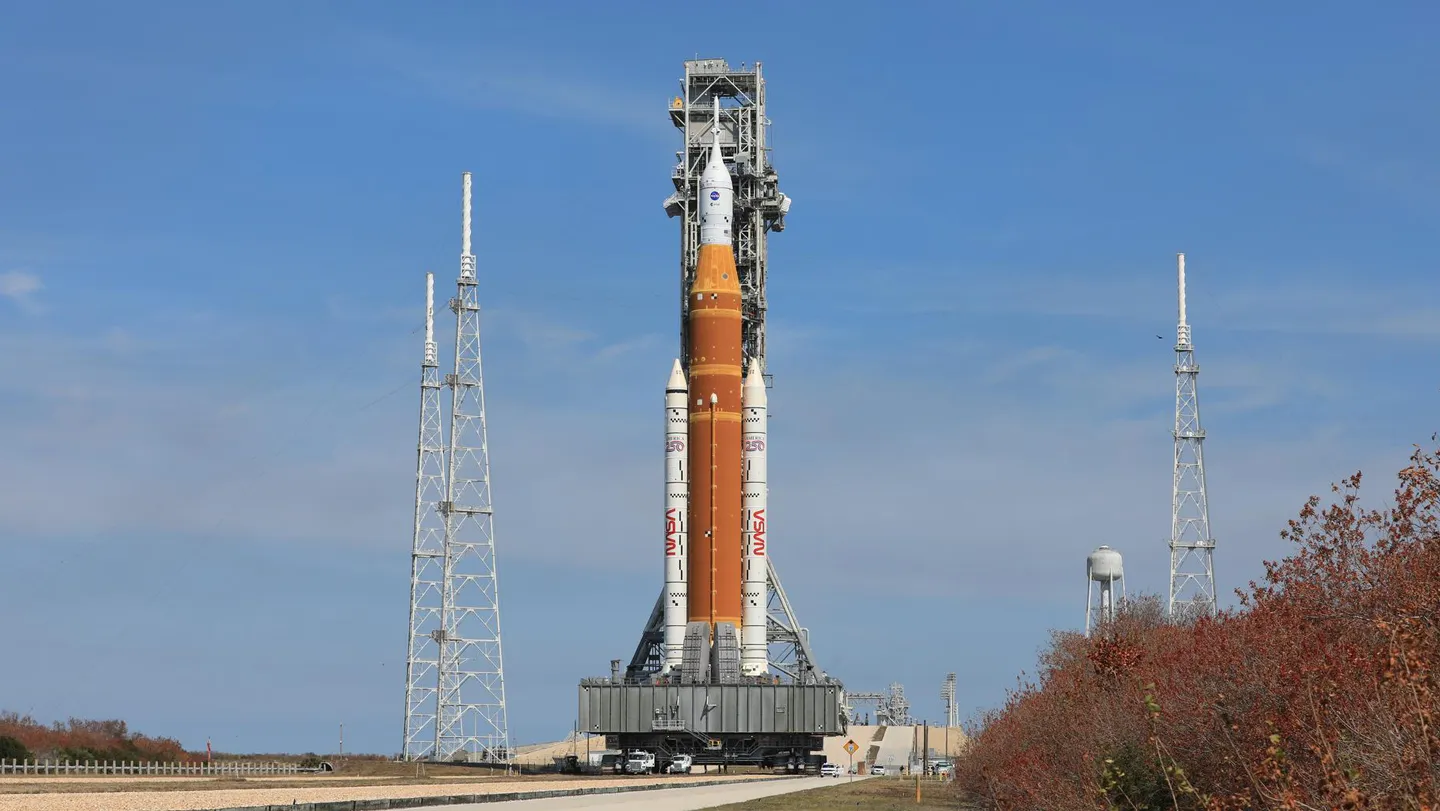
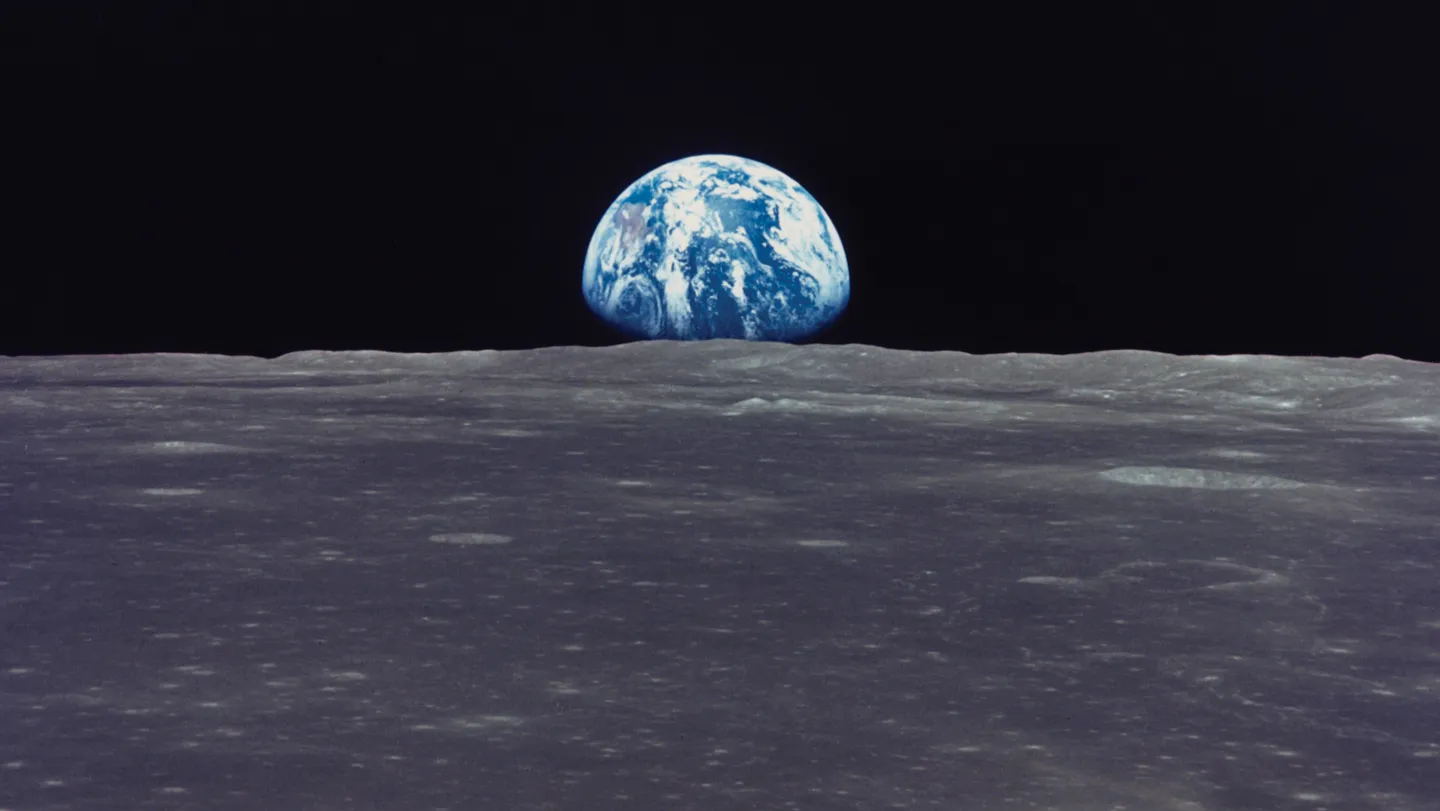
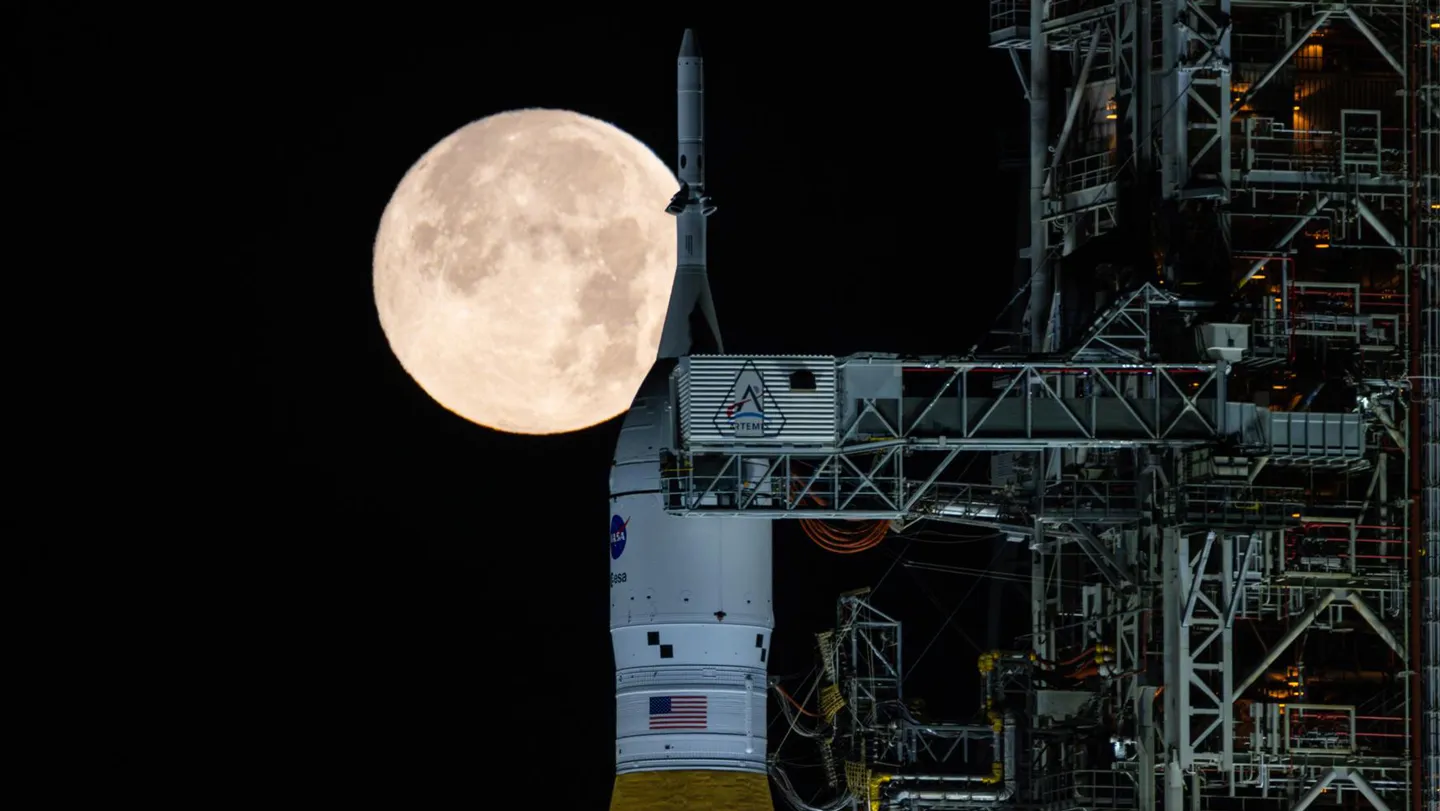
NASA scraps its 2027 moon landing, adds two missions in 2028
Rather than land astronauts on the moon, the Artemis III mission will now focus on docking and space suit tests in low Earth orbit.
- Science & Society
On moonshots and Minneapolis
Space exploration can bring people together and reflect deep societal divisions.
- Earth
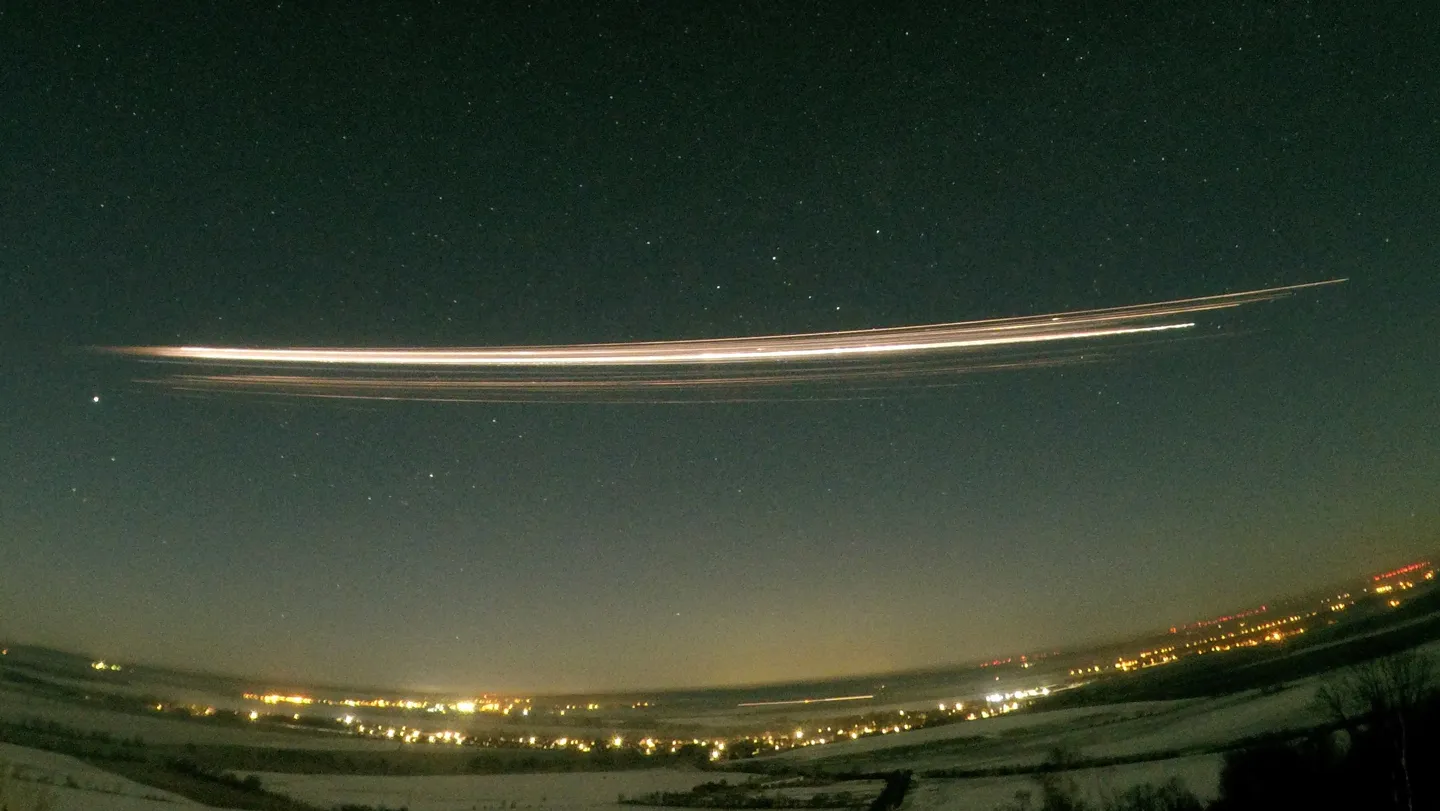
Metal pollution from a rocket reentry detected for the first time
Direct detection of lithium from a SpaceX rocket reentry offers new evidence that metal pollution from space debris could threaten the ozone layer.
- Planetary Science
Venus has a massive lava tube
A collapsed lava tube detected in 30-year-old radar data from Venus may be part of a much wider network of underground caves.
- Science & Society
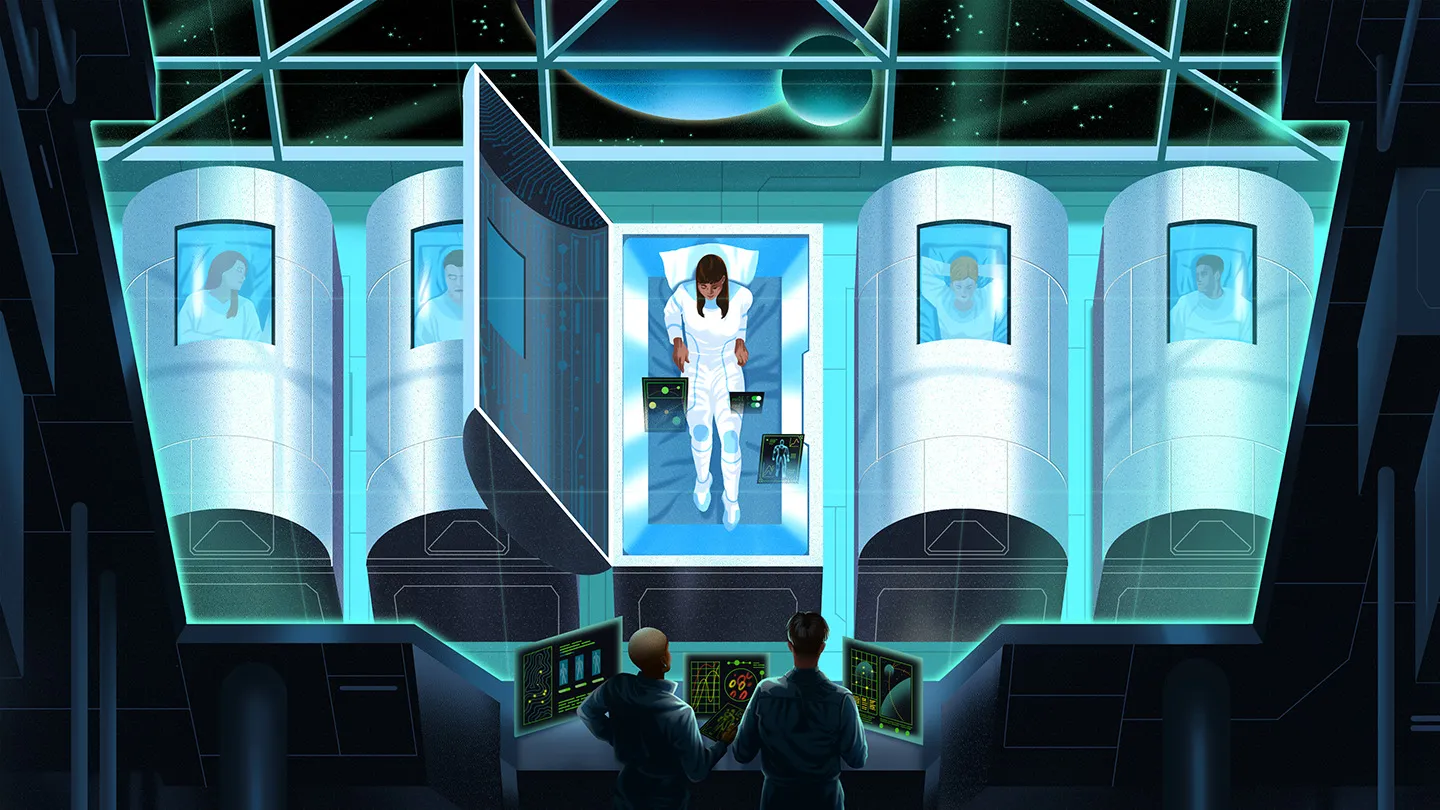
Project Hail Mary made us wonder how to survive a trip to interstellar space
We can take some clues from hibernation and cryogenics, but humans aren't yet built for that kind of deep sleep.
- Astronomy
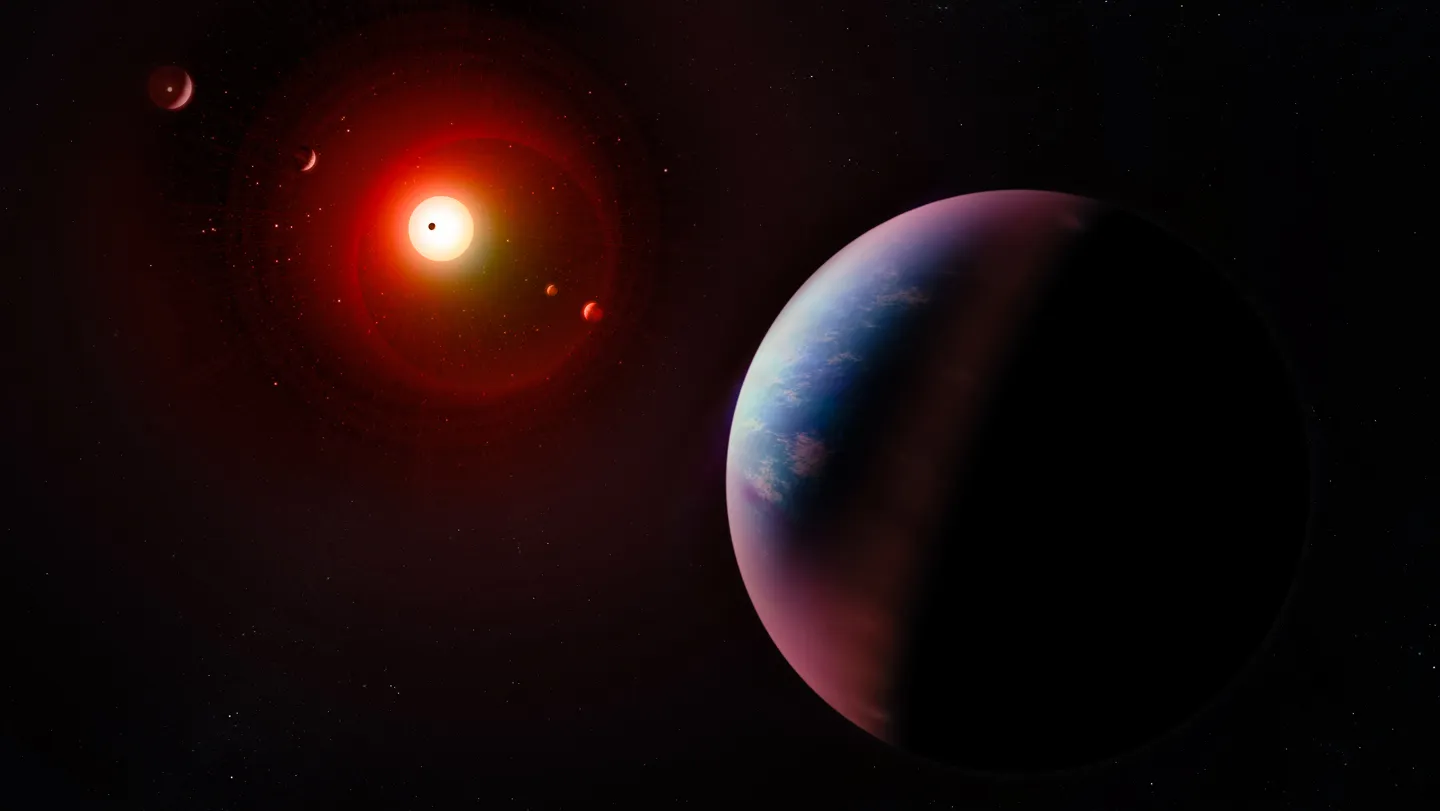
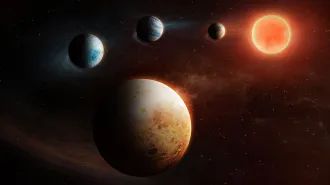
This inside-out planetary system has astronomers scratching their heads
A rocky exoplanet in the LHS 1903 system defies planet formation models, hinting that gravitational upheaval reshaped the red dwarf’s four worlds.
- Space
Artemis II is returning humans to the moon with science riding shotgun
NASA’s Artemis II could be the first time human eyes set sight on the farside of the moon — and there are things human eyes can see that cameras can’t.
- Physics
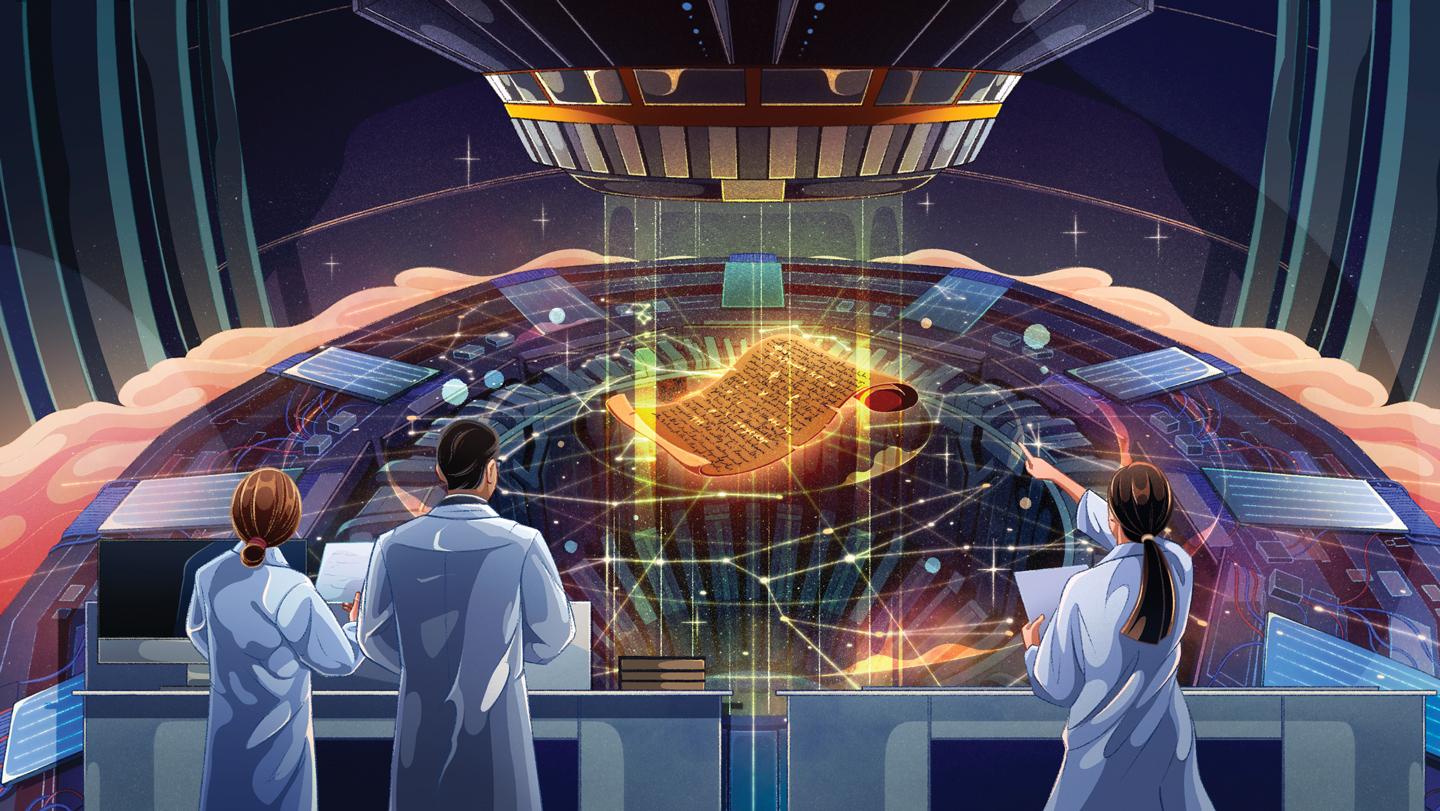
A Greek star catalog from the dawn of astronomy, revealed
Researchers are using X-rays to discover invisible markings left on ancient parchment containing information from the Greek astronomer Hipparchus.
- Physics
A massive clump of dark matter may lurk in the Milky Way
Pulsating remnants of stars hint at a clump of invisible matter thought to be about 10 million times the sun’s mass.